
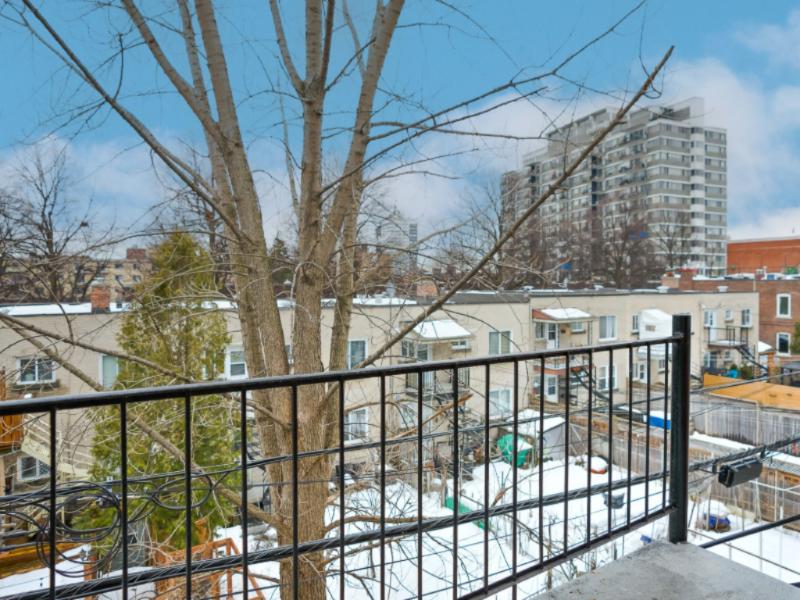
Montréal’s winter can be beautiful but challenging for property owners and tenants. With temperatures often dropping below −20°C and heavy snowfall, good preparation and maintenance are essential to keep the property in good condition and everyone comfortable.
Heating: staying warm and efficient
A heating system that works efficiently is one of the most important parts of winter property management. Some tips for landlords and tenants:
For landlords
- Schedule furnace or boiler maintenance before the cold season begins
- Replace air filters regularly (every one to three months in winter)
- Consider upgrading to energy-efficient systems to reduce costs
- Make sure attics, walls and windows are properly insulated
- Install programmable thermostats to optimize heating schedules
For tenants
- Never turn the heat off completely, even when you’re away, so pipes don’t freeze
- Report any heating problem to your landlord or property manager right away
- Use draft stoppers on doors and windows to keep the heat in
- Don’t block heating vents or baseboards with furniture
- Run ceiling fans in reverse to circulate warm air
Snow removal responsibilities
Snow removal is a shared responsibility that requires coordination between landlords and tenants.
Landlord responsibilities
- Clear the building’s walkways, entrances and stairs promptly after a snowfall
- Keep parking areas clear and accessible
- Provide the snow removal equipment tenants need, where the lease calls for it
- Deal with ice buildup on roofs to prevent ice dams
- Make sure drainage works to prevent flooding during the spring thaw
Tenant responsibilities
- Clear snow from their own balcony and any areas assigned to them in the lease
- Use the salt or ice melt provided on walkways to prevent falls
- Report hazardous conditions to the landlord promptly
- Keep their entrances and exits clear of snow and ice
Preventing common winter problems
Some property issues are much more common in winter. Here’s how to prevent them.
Frozen pipes
Frozen pipes can cause costly water damage. To prevent them:
- Keep indoor temperatures well above freezing at all times
- Insulate exposed pipes in unheated areas
- Let faucets drip slightly during extreme cold to keep water moving
- Know where the main water shut-off valve is
Ice dams
Ice dams form when snow melts and refreezes at the edge of the roof. To prevent them:
- Make sure the attic is properly ventilated and insulated
- Remove snow from the lower part of the roof after heavy snowfalls
- Clean gutters before winter so water can drain
- Consider heating cables on roof edges in problem areas
Emergency preparedness
Winter storms can lead to power outages and other emergencies. Be ready by:
- Preparing an emergency kit with flashlights, batteries and blankets
- Having a backup heat source, if it is safe and permitted
- Knowing how to shut off the water if a pipe bursts
- Keeping emergency phone numbers handy
- Considering a generator for critical systems, with the proper safety measures
Communication is key
The most important part of winter property management is clear communication between landlords and tenants. Set expectations early in the season and keep the lines open so problems are dealt with quickly.
By following these guidelines, landlords and tenants can get through Montréal’s winter more easily, with comfort, safety and a well-preserved property for everyone.
ETSLI manages leasing, maintenance, finances and renovations for Montréal owners.